The boardroom had gone quiet. A senior VP had just presented numbers that missed target for the third quarter running. The CEO didn’t shout. He didn’t need to. He said four words — cold, precise, designed to wound — and the VP’s confidence never fully returned to that room again.
Later, in private, the CEO would call it “holding people accountable.” His board called it something else: the reason three good leaders had quietly started interviewing elsewhere that year.
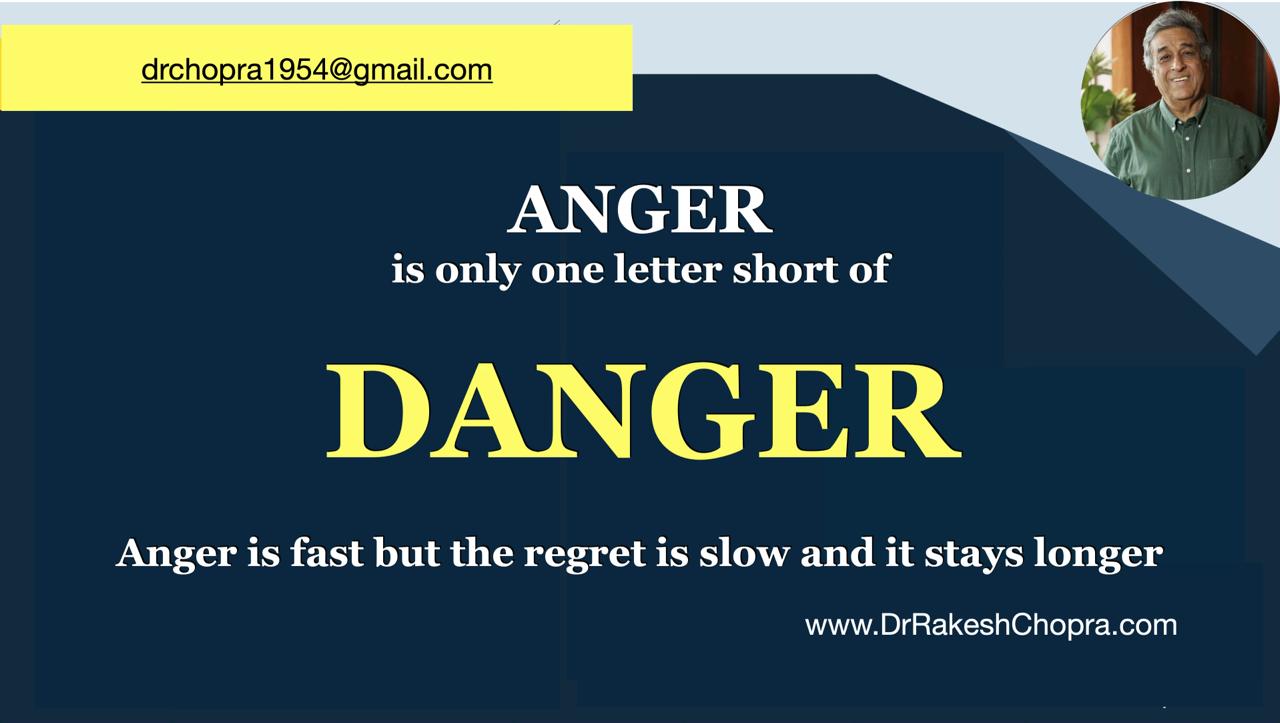
Here is what nobody tells senior leaders early enough — ANGER is only one letter short of DANGER. The gap between the two is not time. It is a pause most leaders never learn to take.
Anger is fast. It arrives before judgement does, borrows the voice of authority, and feels, in the moment, like strength. But watch what happens next. The email gets sent. The decision gets made. The relationship gets damaged. And then comes regret — slow, patient, unhurried — moving into the room and refusing to leave. Long after the anger has gone, the regret is still unpacking its bags.
The leaders who last decades in the corner office are rarely the ones who never feel anger. They are the ones who have learned to meet it with a longer pause than it expects. Not suppression — that only postpones the bill. Something closer to acceptance of the moment exactly as it is, without judgement, before responding to it at all.
The four words in that boardroom took less than two seconds to say. The cost is still being paid.
The question worth sitting with: The next time anger arrives in your boardroom, in your inbox, in your voice — will you give it the two seconds it’s asking for, or the pause it’s actually afraid of?